
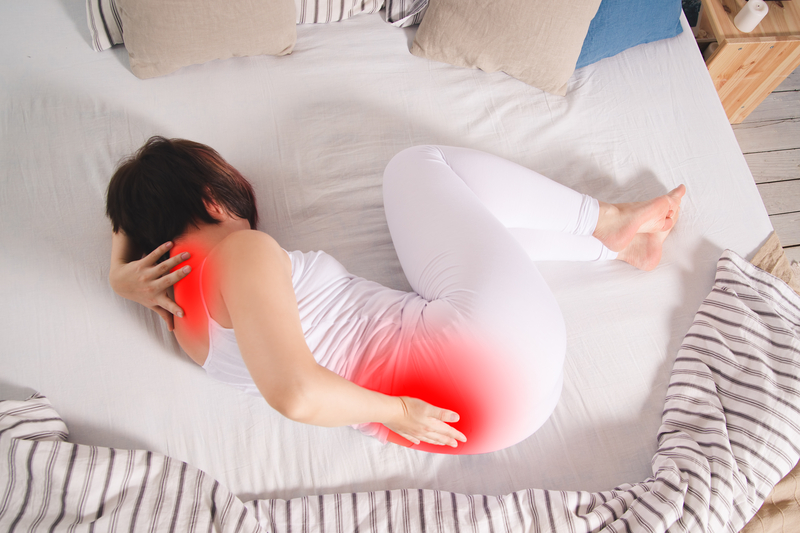
Your mattress plays a bigger role in your health than you might realise. Poor sleep can leave you tired and can also contribute to chronic pain, reduced immunity, and even mental health challenges. As more South Africans prioritise wellness and quality rest, orthopaedic mattresses have surged in popularity.
But are they just clever marketing, or do they genuinely offer medical benefits?
This guide breaks down everything you need to know about orthopaedic mattresses, from their construction to their real-world performance. By the end, you’ll understand whether investing in one makes sense for your body and budget.
What Are Orthopaedic Mattresses?
An orthopaedic mattress is designed specifically to support your joints, back, and overall skeletal system during sleep. These mattresses prioritise proper spinal alignment and pressure point relief through firmer construction and specialised support zones.
The term “orthopaedic” comes from orthopaedics, the medical field dealing with bones and joints. Unlike regular mattresses that focus primarily on comfort, orthopaedic designs balance comfort with therapeutic support. They’re engineered to maintain your spine’s natural curves while distributing body weight evenly.
Standard mattresses often allow your body to sink unevenly, creating pressure points at your hips and shoulders. Orthopaedic mattresses resist this sinking, keeping your spine properly aligned whether you sleep on your back, side, or stomach. This targeted support distinguishes them from conventional options.

What Materials Are Used in Orthopaedic Mattresses?
Orthopaedic mattresses typically feature high-density foam, memory foam, latex, or reinforced innerspring systems. The material choice directly affects how the mattress performs, how long it lasts, and how it feels under your body.
High-density foam provides firm, consistent support without the bounce of springs. Memory foam contours to your shape while maintaining support, and latex offers responsive support with natural cooling properties. Some orthopaedic mattresses combine multiple materials in strategic layers for optimal performance.
The layering structure matters tremendously. A typical orthopaedic mattress might feature a firm support core topped with a comfort layer that cushions pressure points without compromising alignment. This construction delivers both the therapeutic benefits and the comfort needed for restful sleep.
Read more: How Much Does a Good Mattress Cost in South Africa?
Do Orthopaedic Mattresses Help With Back Pain?
Are orthopaedic mattresses good for back pain? Yes, they can provide substantial relief for many back pain sufferers by maintaining proper spinal alignment throughout the night. The firm support prevents your spine from bowing or twisting into uncomfortable positions.
Back pain often stems from poor sleep posture. Soft mattresses let your heavier body parts sink too deeply, creating an unnatural curve in your spine. Orthopaedic mattresses support your entire body evenly, keeping your spine neutral and reducing strain on muscles and ligaments.
Studies suggest that medium-firm mattresses reduce back pain more effectively than very soft options. The targeted support in orthopaedic designs addresses common issues like lower back pain, sciatica, and pressure point discomfort. However, individual results vary based on the specific cause of your pain.
What Are the Downsides?
The firmness that makes orthopaedic mattresses therapeutic can feel uncomfortably stiff for some sleepers. If you’re accustomed to soft mattresses, the adjustment period can take several weeks of potentially disrupted sleep.
Heat retention is another common complaint, particularly with memory foam orthopaedic mattresses. Dense foam restricts airflow, trapping body heat and making hot sleepers uncomfortable. This can be especially problematic in warmer South African climates without adequate air conditioning.
Cost represents a substantial consideration. Quality orthopaedic mattresses typically cost more than standard options due to their specialised construction and premium materials. Not everyone experiences noticeable benefits, making the investment feel unjustified if you don’t have specific pain issues.
Who Might Find Them Too Firm?
Some people with certain health conditions may find orthopaedic mattresses too firm. Individuals with fibromyalgia or arthritis in multiple joints sometimes need more cushioning than these mattresses provide.
The one-size-fits-all firmness doesn’t suit every body type or medical condition. Lighter individuals, in particular, may not compress the surface enough to feel comfortable on firmer orthopaedic designs.
Do Orthopaedic Mattresses Have Springs?
Do orthopaedic mattresses have springs? Some do, while others rely entirely on foam construction. Both designs can deliver orthopaedic benefits, but they feel quite different under your body.
- Spring-based orthopaedic mattresses use reinforced coil systems with additional support zones. These provide firmer support where you need it most while maintaining some traditional mattress bounce. The spring construction also promotes better airflow, reducing heat buildup during sleep.
- Foam-only orthopaedic mattresses eliminate motion transfer completely, making them excellent for couples. They contour more closely to your body shape but may sleep warmer. The choice between springs and foam depends on your personal preferences regarding bounce, temperature regulation, and motion isolation.
Read more: Choosing Bed Sizes: Finding Your Perfect Fit
Are Orthopaedic Mattresses Right for Everyone?
Orthopaedic mattresses aren’t universally suitable despite their health benefits. Your sleep position, body weight, and personal comfort preferences all influence whether you’ll benefit from this firmer support style.
Back and stomach sleepers typically adapt well to orthopaedic mattresses because these positions require firmer support to prevent spinal misalignment. Side sleepers need more cushioning at their shoulders and hips, so they might find some orthopaedic options too firm without adequate pressure relief layers.
Body weight matters considerably. Heavier individuals often benefit from the firm support that prevents excessive sinking. Lighter sleepers may not compress the mattress enough to achieve optimal comfort, resulting in a feeling of sleeping on an unyielding surface.
When to Consult a Professional
Existing health conditions should guide your decision. Consult your doctor or physiotherapist if you have chronic pain conditions, recent injuries, or joint problems.
They can advise whether an orthopaedic mattress addresses your specific needs or if you require different support characteristics. Professional guidance prevents costly mistakes and ensures you choose a mattress that genuinely improves your health.
The Simmons Beautyrest Harmony Collection Firm Base Set exemplifies many orthopaedic principles that we’ve discussed, featuring Beautyrest’s legendary NxG Pocketed Coil Technology that delivers consistent head-to-toe support and advanced motion isolation for proper spinal alignment.
With high-density Simmons Beauty Foam for surface contouring and viscoelastic memory foam that relieves pressure points, this firm base set combines the therapeutic support back pain sufferers need with temperature management features like air vents for improved airflow.
How Do They Compare?
The primary difference between orthopaedic and normal mattresses lies in their support philosophy. Standard mattresses prioritise immediate comfort, while orthopaedic options focus on long-term postural health.
Regular mattresses offer more variety in firmness levels and materials, making them easier to match to personal preferences. They’re generally more affordable and provide adequate support for healthy individuals without specific medical concerns. For many people, a quality standard mattress provides a perfectly good night’s sleep.
Orthopaedic mattresses excel when you have identified pain issues, poor posture, or specific medical recommendations. They’re designed to prevent problems rather than just provide comfort. The investment makes sense if you wake up with pain, have chronic back issues, or want to prevent age-related spinal problems.
| Feature | Orthopaedic Mattress | Normal Mattress |
| Primary Purpose | Therapeutic support for joints and spine | General comfort and sleep quality |
| Firmness Level | Medium-firm to firm | Soft to firm (wide variety) |
| Spinal Alignment | Engineered for optimal alignment | Varies by model and quality |
| Materials | High-density foam, reinforced springs, latex | Standard foam, springs, memory foam |
| Price Range | R8,000 – R25,000+ | R3,000 – R15,000 |
| Best For | Back pain sufferers, posture correction | General sleepers without specific issues |
| Pressure Relief | Targeted support zones | General cushioning |
| Durability | Typically 8-12 years | 5-10 years depending on quality |
| Heat Retention | Can sleep warm (foam models) | Varies widely by construction |
| Adjustment Period | 2-4 weeks (firmer feel) | Typically immediate comfort |

What’s Right for You?
Orthopaedic mattresses offer genuine benefits for people with back pain, poor posture, or specific support needs. Their firmer construction and specialised design maintain spinal alignment, potentially reducing pain and improving sleep quality over time.
However, they’re not necessary for everyone. Healthy sleepers without pain issues may find regular mattresses equally comfortable at lower prices. The firmer feel requires adjustment, and some people never fully adapt to orthopaedic support levels.
Assess your current sleep quality honestly. Do you wake up with pain? Does your mattress show visible sagging? Has your doctor recommended firmer support? Affirmative answers suggest an orthopaedic mattress might improve your sleep experience and overall health.
Hirsch’s offers expert guidance and a comprehensive selection of orthopaedic mattresses tailored to different support needs and budgets. Visit your nearest store to test various options and speak with sleep specialists who can help match you with the right mattress for your body and lifestyle.