
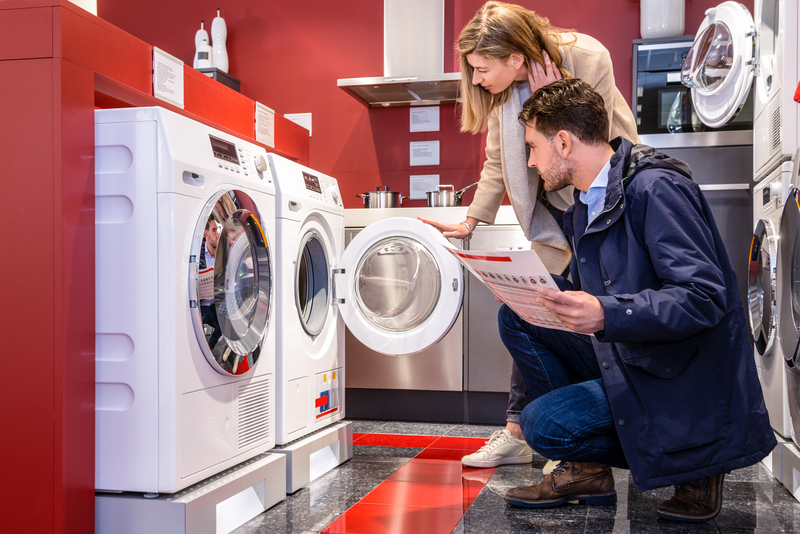
When shopping for a washing machine, the price difference between conventional and digital inverter models often stops shoppers cold. Inverter motors can cost 30% to 50% more upfront, but that gap narrows considerably over time through energy savings and durability.
Understanding how these motors work and what they deliver helps you make a choice aligned with your budget and household needs.
Key Takeaways:
- Digital inverter motors adjust speed dynamically, cutting energy use by up to 30% compared to fixed-speed conventional motors
- Inverter motors typically last 10-15 years with proper maintenance, while conventional motors average 8-14 years in residential use.
- The payback period averages 6-12 years, depending on local tariffs and frequency of use
- Inverter motors run quieter and offer gentler washing cycles for delicate fabrics
What is a Digital Inverter Motor in a Washing Machine?
A digital inverter motor is an electric motor that adjusts its speed based on the wash load and cycle requirements. Unlike conventional motors that run at a single fixed speed, inverter motors operate at variable speeds controlled by intelligent software, optimising performance for each wash.
The core difference lies in how power is delivered. Conventional motors use a fixed speed of around 1,400–1,600 rpm regardless of the load size or wash stage. Inverter motors start at low speeds for gentle cycles and ramp up only when needed. A 3 kg load doesn’t require the same motor speed as a 7 kg load, so the inverter adjusts accordingly.
Is an Inverter Motor Good in a Washing Machine?
Yes, inverter motors deliver measurable benefits across energy use, durability, and washing performance. The advantages compound over the machine’s lifespan, which makes the initial cost investment recoverable for most households.
Key Advantages of Digital Inverter Technology
- Energy efficiency stands at the top. Inverter motors consume less electricity because they don’t run at maximum speed for every cycle. The motor only supplies the energy needed for the wash type and load size. Real-world testing shows energy savings of 20% to 30% annually, depending on household washing frequency and tariff rates.
- Durability is the second major win. Running at variable speeds reduces wear on mechanical components compared to the constant friction and stress of fixed-speed motors. Bearings, pulleys, and shaft seals experience less strain, extending service life to 10+ years for inverter motors against 5–7 years for conventional ones.
- Noise reduction matters if your washing machine runs near living spaces. Inverter motors generate between 65 and 75 decibels during spin cycles, compared to 75–85 decibels for conventional motors. That 10-decibel difference is perceptible and often appreciated in open-plan homes.
- Fabric care improves with gentler wash actions. Lower motor speeds during the wash phase mean less aggressive tumbling, reducing pilling and wear on delicate items. Inverter machines handle silks, cottons, and wool with more precision than conventional motors.
Read more: Why Should We Shop for the Most Energy Efficient Appliances?
How Long Do Inverter Motors Last?
Inverter motors typically last 10 to 15 years in residential use, while conventional motors average 8 to 14 years. This lifespan advantage stems from reduced mechanical stress and modern component durability.
Real-world factors affect longevity. Hard water, infrequent descaling, and overloading shorten any motor’s life. Conversely, regular maintenance, soft water treatment, and proper load sizing extend it. Users in regions with soft water report inverter motor longevity at the upper range, sometimes surpassing 12 years.
Warranty periods reflect manufacturer confidence. Most conventional motors come with 2- to 3-year warranties, while inverter motors often include 5- to 10-year extended coverage. This pricing structure signals expected lifespan differences and supports the premium positioning.
Inverter vs. Conventional Motors: Head-to-Head Comparison
| Feature | Inverter Motor | Conventional Motor |
| Operating Speed | Variable (400–1,400 rpm) | Fixed (1,400–1,600 rpm) |
| Annual Energy Use | 130-200 kWh | 200-280 kWh |
| Expected Lifespan | 10–15 years | 8-14 years |
| Noise Level (dB) | 65–75 | 75–85 |
| Initial Cost | Higher (+30–50%) | Lower (baseline) |
| Warranty (years) | 5–10 | 2–3 |
| Fabric Care | Gentler cycles available | Standard cycles only |
Common Applications for Inverter Motors
Digital inverter technology appears across multiple appliance categories beyond washing machines. Air conditioning units use inverter compressors to maintain room temperature efficiently. Refrigerators employ inverter compressors to reduce energy consumption during low-demand periods. Dryers with inverter motors dry clothes faster while lowering electricity bills.
In washing machines, inverter motors suit households with frequent laundry demands. Families with young children, large loads, or daily washing benefit most from the energy and cost savings. Smaller households with occasional washing also see long-term value, though the payback period extends.
Frequently Asked Questions
Yes. Inverter motors function across all water temperature settings, from cold to hot wash cycles. The motor’s speed adjusts the same way regardless of water temperature, so you maintain full flexibility in wash settings.
Inverter motors contain sophisticated electronic components and require specialist diagnostic tools. DIY repairs risk damage to the control board or motor itself. Professional servicing is recommended, though most quality models include extended warranty coverage that covers repairs.
Inverter motors are more sensitive to voltage fluctuations than conventional motors because their control electronics process power delivery. Using a voltage stabiliser or surge protector is recommended in areas with inconsistent supply to protect both the motor and electronics.
The reduction depends on household washing frequency. Families running multiple loads during the week will see higher savings than a single household.
Reduced energy consumption directly lowers carbon emissions during use. Over a 12-year lifespan, an inverter motor prevents 1.5 to 2 tonnes of CO₂ emissions compared to replacing a conventional motor twice. The environmental benefit compounds over time.
What’s the Best Choice for You?
Choosing between inverter and conventional motors hinges on your priorities and financial situation. If you wash frequently and plan to keep the machine for 8+ years, an inverter motor justifies its price tag. The energy savings, extended lifespan, and improved fabric care align with the upfront cost.
For occasional users or those on tight budgets, a conventional motor delivers the core washing function at a lower cost. The trade-off is higher running costs and a shorter service life, but the machine remains reliable for light use.
Consider also that electricity tariffs continue rising in South Africa. As tariffs increase, the energy savings from inverter motors become more valuable, accelerating the payback period toward the positive side.
Many homeowners exploring inverter motors and washing machine options find it helpful to compare specific models side by side before making a decision. Feel free to chat with the team for detailed specifications, energy ratings, and real-world performance data to help you evaluate options that match your household needs.